Lockheed L-1011 TriStar
Lockheed
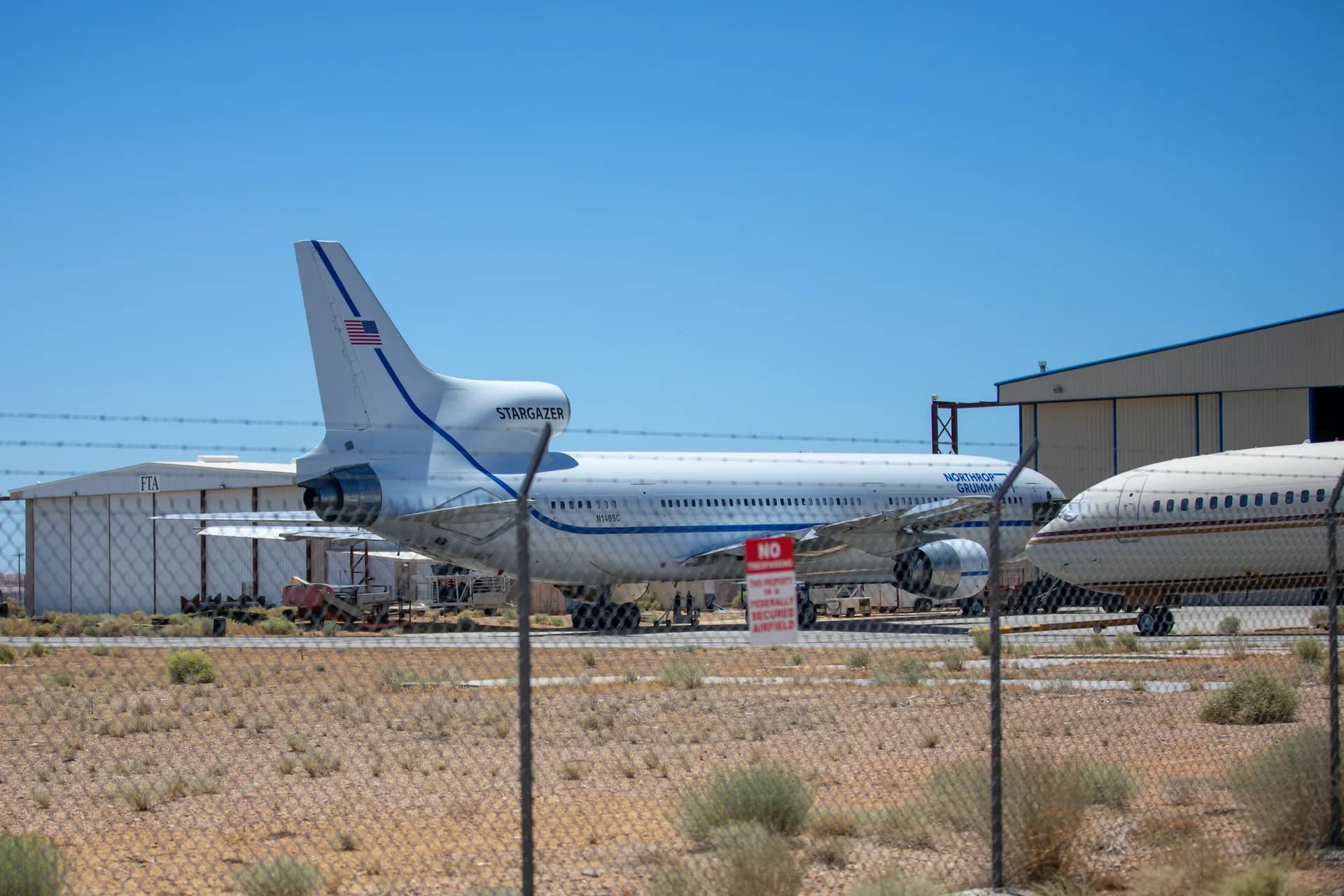
Details
The Lockheed L-1011 TriStar was the last airliner Lockheed built, and the technically boldest of the three widebodies of its generation — the first with an autoland system certified for Category IIIb, and the only one whose centre engine is fed through an S-duct buried in the tail rather than hung in the fin. Rolls-Royce went into receivership developing its RB211 engine, and the delay let the DC-10 reach the market first. It never recovered the lost orders, and Lockheed left the airliner business for good when the line closed in 1984. The type certificate approves four models, from the 466,000 lb -1-14 to the 510,000 lb long-range -385-3. The cruise speed, cruise Mach, range, ceiling, climb rate, wingspan, length, height and take-off distance are EUROCONTROL's figures for the L101 type code rather than a certificate's: a type certificate states limits and weights, not cruise performance, and the source does not distinguish sub-variants.
Variants
Weightscompared to Airbus A380-800
Capacitycompared to Airbus A380-800
Passenger Capacity
47% of A380 maximum capacity
Crew
Dimensions
Length
Wingspan
Height
Engine Specifications
Engine Count
3×
Engine Model
Rolls-Royce RB211-22B-02, RB211-22C-02, RB211-524B-02 or RB211-524B3-02 turbofan
Fuel & Cargo
Fuel Capacity
120,704 L
Production & History
Production Status
Out of production
Manufacturing Period
1968–1984
First Flight
November 16, 1970
Business jets and the API are coming
If you came here for the Lockheed L-1011 TriStar, you are the reader those are being built for. Leave an address and you will hear when they are ready.