De Havilland Canada DHC-6 Twin Otter
De Havilland Canada
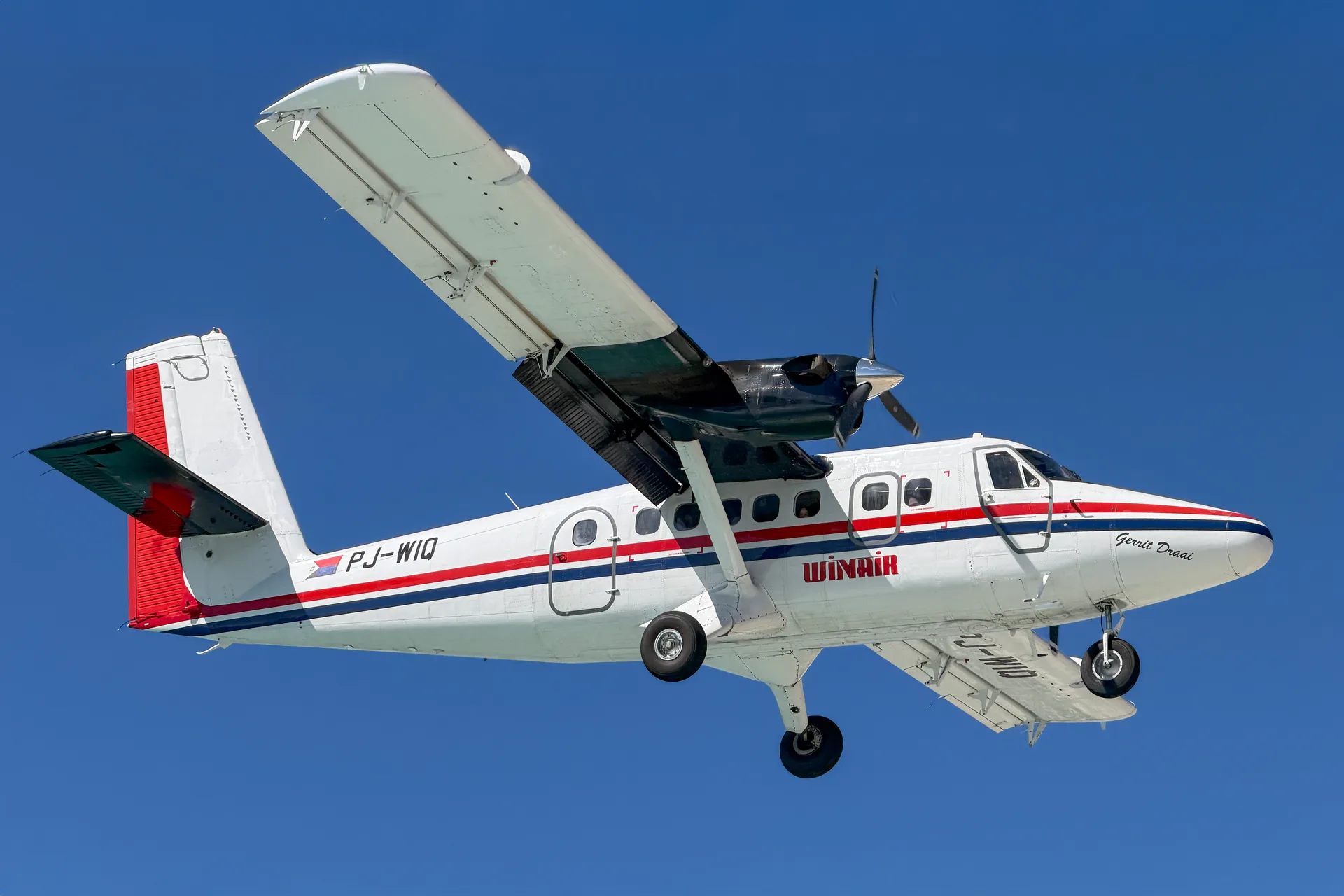
Details
The De Havilland Canada DHC-6 Twin Otter is a versatile twin-turboprop STOL (Short Takeoff and Landing) utility aircraft. First flown in 1965 and entering service in 1966, the Twin Otter was designed to operate from short runways and has become legendary for its reliability and versatility. The high-wing, fixed tricycle landing gear design allows operations from unprepared strips, water (with floats), snow (with skis), and conventional runways. Seating 19-20 passengers, it has been used for commuter services, cargo transport, skydiving, scientific research, and military operations. The original production by De Havilland Canada built 844 aircraft between 1965-1988. Production was resumed by Viking Air (now De Havilland Canada) in 2010 with the Series 400. With over 1,000 aircraft delivered, the Twin Otter is one of the most successful STOL aircraft ever built and continues in production today.
Variants
Built
Weightscompared to Airbus A318
Capacitycompared to Airbus A318
Passenger Capacity
15% of A318 maximum capacity
Crew
Dimensions
Length
Wingspan
Height
Wing Area
Catalog Price
Base List Price
$7.5M USD
2020 catalog price
Note: Actual prices vary based on configuration, options, and negotiations. This represents the manufacturer's base catalog price.
Engine Specifications
Engine Count
2×
Engine Model
Pratt & Whitney Canada PT6A
Fuel & Cargo
Fuel Capacity
1,325 L
Cargo Volume
6.7 m³
Production & History
Total Produced
1,000
Production Status
In production
Manufacturing Period
1965–present
First Flight
May 20, 1965
Entered Service
July 1, 1966
Business jets and the API are coming
If you came here for the De Havilland Canada DHC-6 Twin Otter, you are the reader those are being built for. Leave an address and you will hear when they are ready.