Tupolev Tu-204
Public Joint Stock Company Tupolev
Details
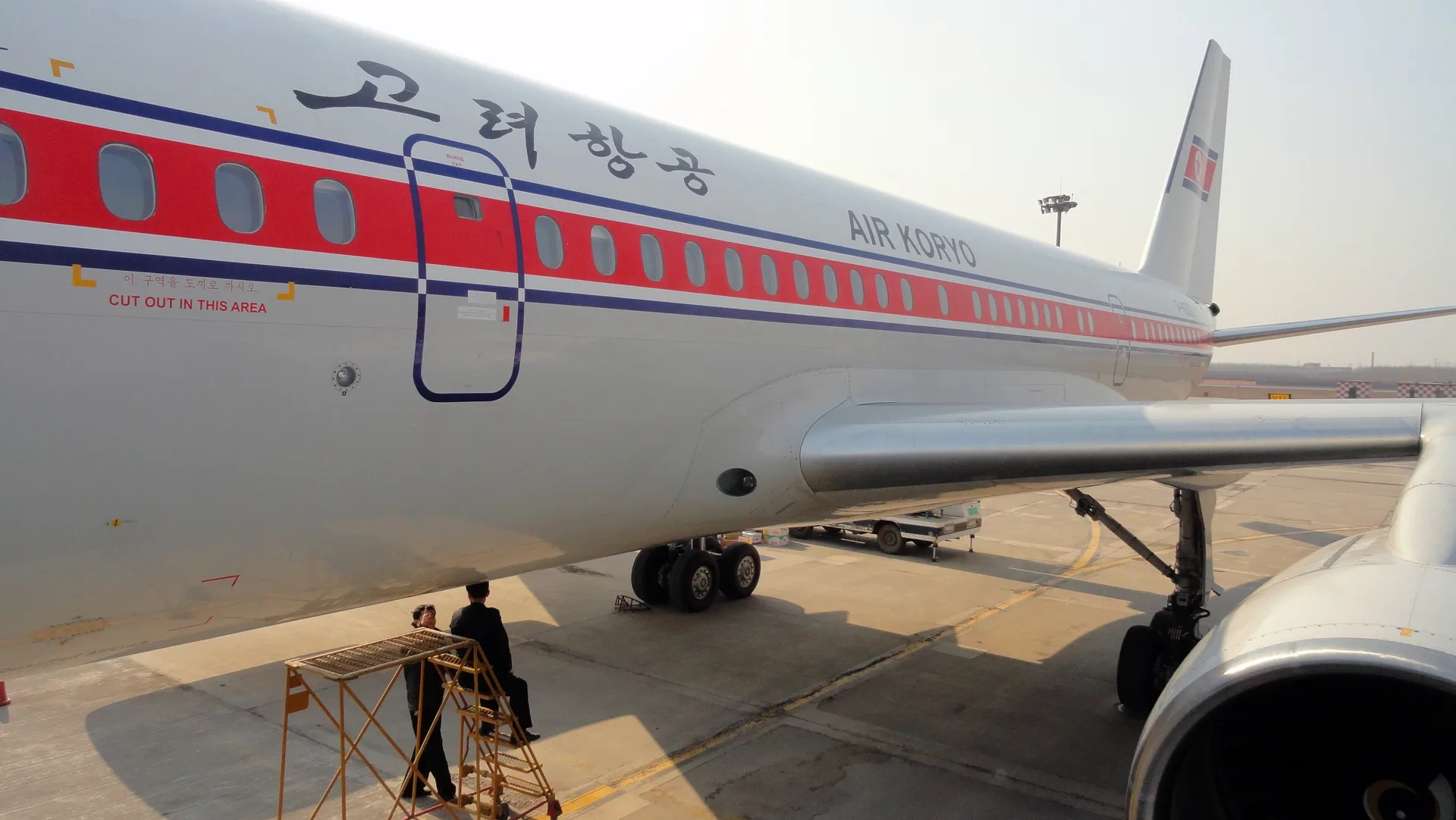
The Tupolev Tu-204 is a modern Soviet/Russian twin-engine medium-range narrow-body jet airliner designed in the 1980s as a contemporary competitor to Western aircraft like the Boeing 757 and Airbus A321, representing a significant technological leap forward in Soviet/Russian commercial aviation with advanced engines, modern avionics, and Western design influence. First flown on January 2, 1989, and entering commercial service in 1995, the Tu-204 was developed by the Tupolev Design Bureau to replace aging Soviet-era aircraft and provide improved fuel efficiency, passenger comfort, and operational economics. The aircraft features a conventional configuration with two high-bypass turbofan engines mounted underwing, low-mounted wings with advanced winglets, T-tail empennage, and six-abreast seating in a wider cabin compared to older Soviet designs. The Tu-204 is characterized by its modern aerodynamic design with supercritical wing sections and advanced high-lift devices, twin turbofan engines providing excellent fuel efficiency and reduced noise (either Aviadvigatel PS-90A or Rolls-Royce RB211 variants), digital fly-by-wire flight controls on advanced variants (a first for Russian commercial aviation), glass cockpit with EFIS displays reducing crew to two pilots (eliminating the traditional flight engineer position), and comprehensive systems redundancy ensuring high reliability. The aircraft features a typical cruising speed of 810-850 km/h (Mach 0.79-0.82) at 35,000-39,000 feet altitude, a passenger capacity ranging from 164 to 212 depending on configuration (typically 164-193 in mixed class, up to 212 in high-density single-class layout), and two high-bypass turbofan engines producing 157 kN (35,300 lbf) of thrust each (PS-90A variant). Performance includes a maximum range of 6,500 km (3,510 nautical miles) with typical payload or 2,430 km (1,312 nm) with maximum payload, enabling medium-haul routes across Russia and international destinations. The Tu-204 features a wider cabin than previous Soviet designs with 3.80 meters (12.5 ft) width allowing comfortable six-abreast seating (3+3 configuration), overhead bins for carry-on luggage, modern environmental control systems, and significantly improved passenger comfort compared to older Soviet aircraft. Variants include the baseline Tu-204 (PS-90A engines, baseline configuration), Tu-204-100 (higher MTOW and increased fuel capacity), Tu-204-120 (Rolls-Royce RB211-535 engines for Western certification), Tu-204-200 (increased range variant), Tu-204-300 (shortened fuselage for 166 passengers), Tu-214 (long-range variant with additional fuel tanks), Tu-204C (cargo freighter version), and Tu-204SM (extensively modernized variant with Western avionics and systems). The Tu-204 was designed with modern manufacturing techniques, incorporating composite materials in secondary structures, advanced corrosion-resistant aluminum alloys, and automated assembly processes. The aircraft received Russian certification and limited Western certifications (Tu-204-120 received EASA type certification), though it faced challenges in international markets due to competition from established Boeing and Airbus products. Approximately 80-90 Tu-204/214 aircraft were produced between 1989 and the 2010s at production facilities in Ulyanovsk and Kazan. The Tu-204 has served with several Russian airlines including Red Wings Airlines, Aviastar-TU, Dalavia, Vladivostok Avia, and government operators, along with international operators in Egypt (Cairo Aviation), China (Hainan Airlines), and Iran. Production continued in limited numbers through the 2010s, with modernized Tu-214 variants still being produced for Russian government and military applications. The Tu-204 represents modern Russian commercial aviation capabilities, combining advanced technology with proven Russian engineering traditions, though it achieved limited commercial success compared to Western competitors. The aircraft remains in active service with several operators and continues limited production for specialized applications.
Variants
Built
Weightscompared to Boeing 757-300
Capacitycompared to Boeing 757-300
Passenger Capacity
72% of 757-300 maximum capacity
Crew
Dimensions
Length
Wingspan
Height
Wing Area
Cabin Width
Engine Specifications
Engine Count
2×
Engine Model
Various (PS-90A / RB211)
Thrust per Engine
157.0 kN(35295 lbf)
Fuel & Cargo
Fuel Capacity
45,625 L
Cargo Volume
42 m³
Production & History
Total Produced
85
Production Status
Limited production
Manufacturing Period
1989–present
First Flight
January 2, 1989
Entered Service
February 23, 1995
Business jets and the API are coming
If you came here for the Tupolev Tu-204, you are the reader those are being built for. Leave an address and you will hear when they are ready.