Tupolev Tu-154M
Public Joint Stock Company Tupolev
About
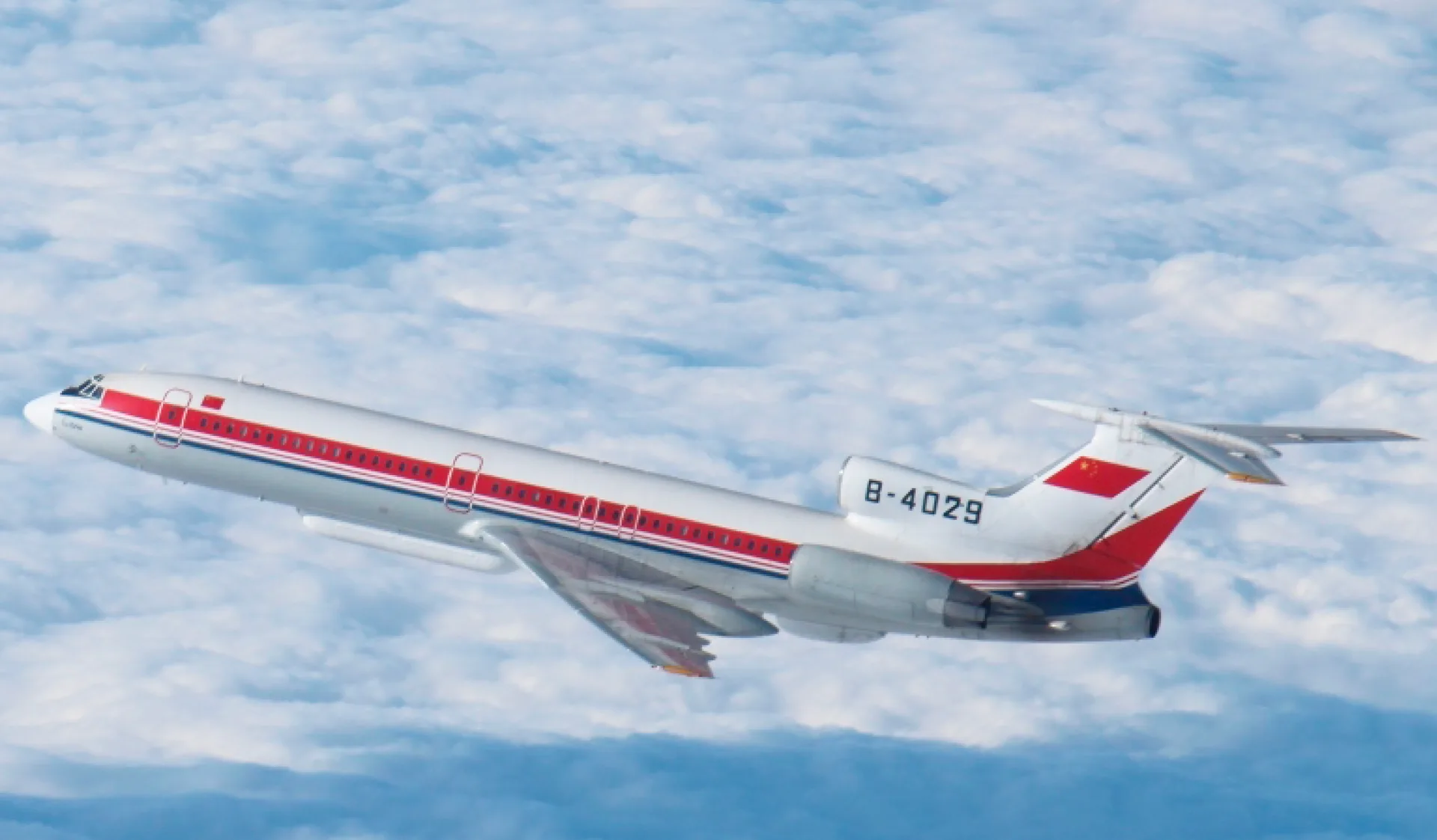
The Tupolev Tu-154M is the most advanced and efficient production variant of the Tu-154 family, introduced in 1984 with significantly improved engines, modernized avionics, and enhanced operational economics that addressed many limitations of earlier Tu-154 variants. The defining feature of the Tu-154M is the installation of three more efficient Soloviev (later Aviadvigatel) D-30KU-154-II turbofan engines, replacing the older Kuznetsov NK-8 engines used in earlier variants. These modern high-bypass turbofan engines provide approximately 20-25% better fuel efficiency, reduced noise levels (though still Stage 2 compliance), improved takeoff performance, and enhanced reliability. Each D-30KU-154-II engine produces 103.0 kN (23,149 lbf) of thrust, with two engines mounted on the rear fuselage sides and one in the tail fed by an S-duct intake - the signature tri-jet configuration that provides excellent single-engine safety and balanced thrust distribution. The Tu-154M features an extended range of up to 6,600 km (3,563 nautical miles) with reduced payload or 3,900 km (2,100 nautical miles) with maximum payload, representing a significant improvement over earlier variants. The aircraft maintains a typical cruising speed of 900-950 km/h (486-513 knots) at cruise altitudes of 31,000-39,000 feet, providing competitive journey times for medium-haul routes. The Tu-154M accommodates 158-164 passengers in typical mixed-class configuration (8-12 business class seats at 4-abreast, remainder economy at 6-abreast seating) or up to 180 passengers in high-density single-class layout, with improved passenger comfort through better cabin pressurization, climate control, and reduced engine noise compared to earlier variants. The flight deck was modernized with digital avionics, including navigation systems, flight management, and improved autopilot capabilities, though still retaining the traditional three-crew configuration (pilot, co-pilot, flight engineer). The Tu-154M retained the family's robust design philosophy, featuring low-mounted wings with extensive high-lift devices (triple-slotted flaps and leading-edge slats), strong landing gear suitable for operation from semi-prepared runways, comprehensive de-icing systems, and auxiliary power unit (APU) for ground independence - critical features for operations across the challenging geography and climate of Russia and former Soviet states. Approximately 325 Tu-154Ms were produced from 1984 to 2013, making it the most numerous of the improved variants. The Tu-154M served as the backbone of Russian domestic aviation and medium-haul international routes through the 1990s and 2000s, with notable operators including Aeroflot, Rossiya Airlines, Belavia, and numerous other carriers. While most have been retired from passenger service due to noise regulations and fuel efficiency considerations, some Tu-154Ms remain in limited service with government operators and a few airlines as of the 2020s. The Tu-154M represents the technological peak of Soviet medium-range airliner design, combining proven reliability with improved efficiency and operational capabilities.
Weightscompared to Boeing 757-300
Capacitycompared to Boeing 757-300
Passenger Capacity
61% of 757-300 maximum capacity
Crew
Dimensions
Length
Wingspan
Height
Wing Area
Cabin Width
Engine Specifications
Engine Count
3×
Engine Model
Aviadvigatel D-30KU-154-II
Thrust per Engine
103.0 kN(23155 lbf)
Fuel & Cargo
Fuel Capacity
49,087 L
Cargo Volume
35 m³
Production & History
Total Produced
325
Production Status
Out of production
Manufacturing Period
1984–2013
First Flight
January 1, 1982
Entered Service
January 1, 1984
Business jets and the API are coming
If you came here for the Tupolev Tu-154M, you are the reader those are being built for. Leave an address and you will hear when they are ready.