Douglas DC-9-20
Douglas/McDonnell Douglas
About
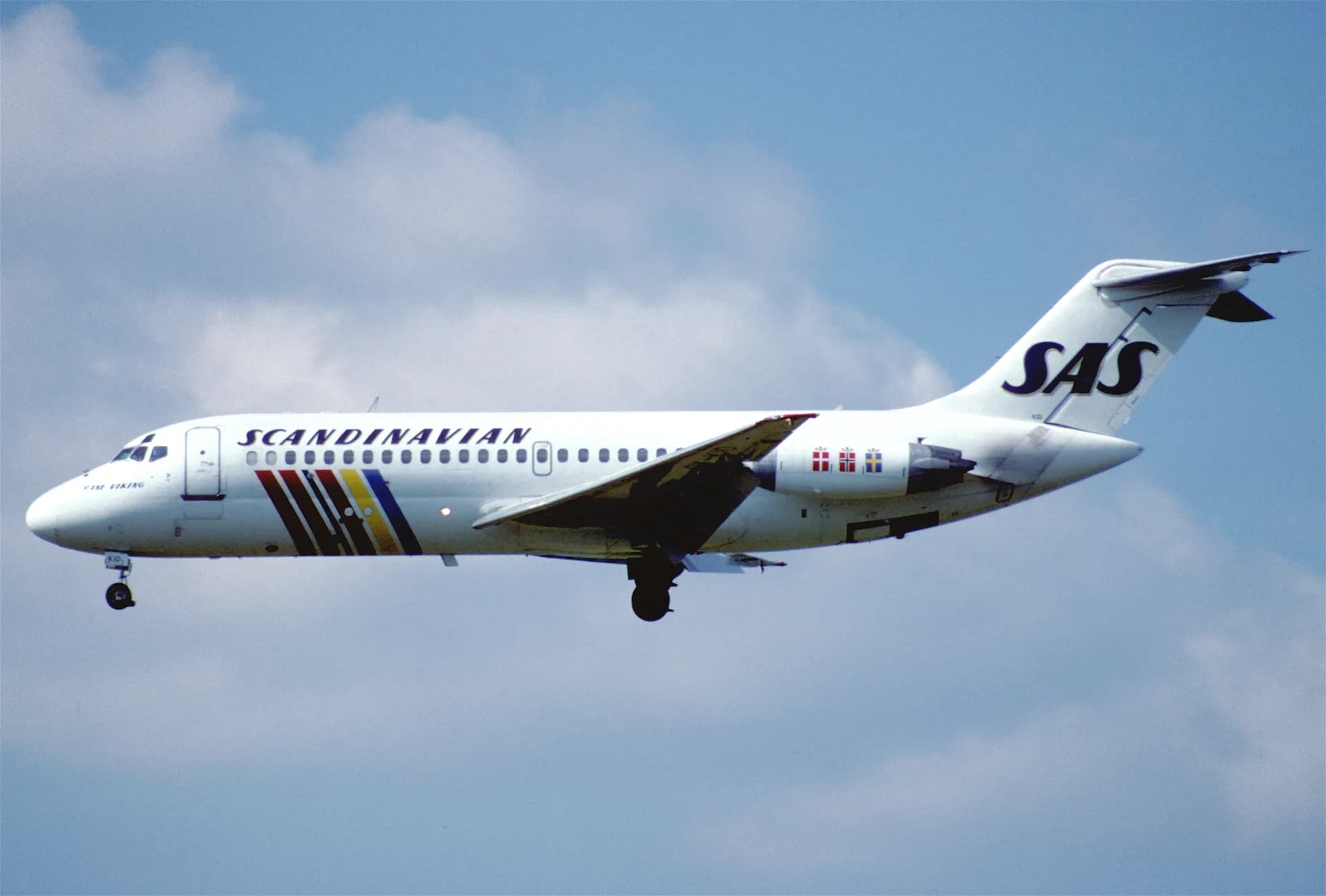
The Douglas DC-9-20 was a specialized variant developed specifically for operations from high-altitude airports and hot climates. Retaining the compact 31.82-meter fuselage of the DC-9-10, it featured more powerful Pratt & Whitney JT8D-11 engines producing 66.7 kN (15,000 lbf) thrust each and improved wing design for better performance in challenging conditions. The DC-9-20 was optimized for airlines serving airports like Denver, Mexico City, and La Paz, where thin air reduced engine performance and increased takeoff distances. SAS (Scandinavian Airlines) launched the variant in 1968, valuing its ability to maintain schedules from mountainous Scandinavian airports during summer heat. The DC-9-20 seated 80-90 passengers and offered a range of 2,963 km (1,605 NM). However, only 10 examples were built due to limited demand—most airlines preferred the larger DC-9-30. The DC-9-20 proved the design's adaptability but remained a niche variant. SAS operated theirs until the late 1980s.
Weightscompared to Boeing 757-300
Capacitycompared to Boeing 757-300
Passenger Capacity
31% of 757-300 maximum capacity
Crew
Dimensions
Length
Wingspan
Height
Wing Area
Catalog Price
Base List Price
$4M USD
1968 catalog price
Note: Actual prices vary based on configuration, options, and negotiations. This represents the manufacturer's base catalog price.
Engine Specifications
Engine Count
2×
Engine Model
Pratt & Whitney JT8D-11
Thrust per Engine
66.7 kN(14995 lbf)
Fuel & Cargo
Fuel Capacity
14,100 L
Cargo Volume
18.7 m³
Production & History
Total Produced
10
Production Status
Out of production
Manufacturing Period
1968–1969
First Flight
September 18, 1968
Entered Service
December 30, 1968
Business jets and the API are coming
If you came here for the Douglas DC-9-20, you are the reader those are being built for. Leave an address and you will hear when they are ready.